
Toxic Relationships in Marriage
When Marriage Becomes a Source of Emotional Distress
Marriage is often imagined as a relationship that provides love, companionship, emotional security, and mutual support. It is expected to be a safe space where two individuals can share their vulnerabilities, grow together, and face life's challenges as a team.
But what happens when the relationship that is supposed to provide emotional security becomes a continuous source of stress, fear, loneliness, and psychological exhaustion?
Not every unhappy marriage is a toxic relationship. Disagreements, misunderstandings, and occasional conflicts are natural in any relationship. However, when patterns of disrespect, emotional manipulation, humiliation, neglect, or controlling behaviour become persistent, they can gradually damage an individual's mental health.
A person may be physically present in a marriage but emotionally feel completely alone.

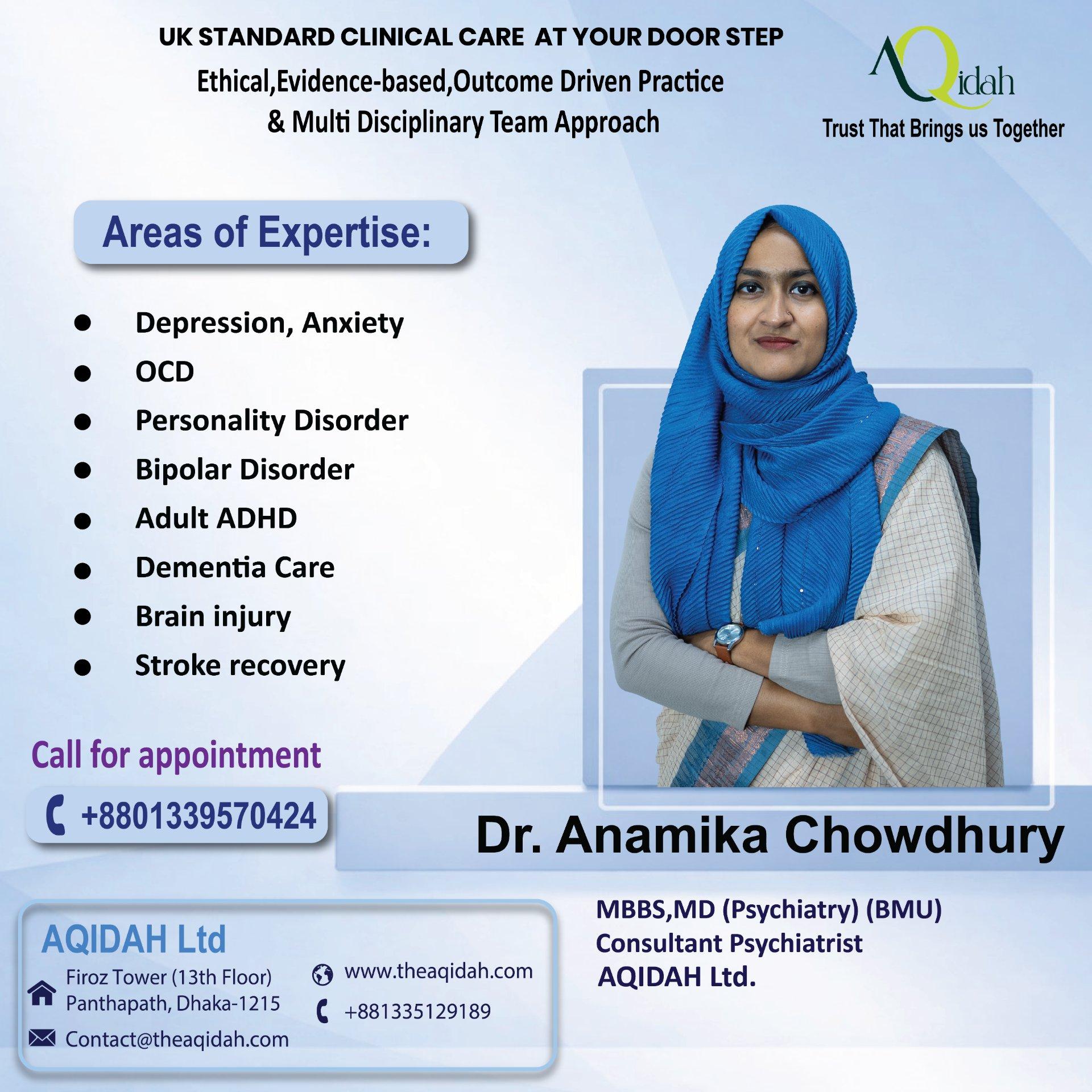
Dr. Anamika Chowdhury
Psychiatrist
Qualifications
MBBS, MD (BSMMU)
About & Biography:
Dr. Anamika Chowdhury is a Psychiatrist with an MD from BSMMU, specialising in depression, anxiety, and conversion disorders. She has a particular interest in the intersection of psychological and physical health — including psychosomatic presentations.
Areas of Expertise:
- Depression
- Anxiety Disorders
- Conversion Disorders
- Psychosomatic Disorders
- General Adult Psychiatry
Appointment Time: Saturday to Thursday ( 10 AM to 8 PM)
Book Now
What Is a Toxic Relationship in Marriage?
A toxic marital relationship is characterised by repeated unhealthy interactions that negatively affect one or both partners' emotional well-being, self-esteem, autonomy, and sense of security.
Some common patterns include:
1. Emotional Neglect
One partner consistently ignores the other's emotional needs. Feelings are dismissed, concerns are minimised, and attempts at meaningful communication receive little attention.
Over time, the neglected partner may stop expressing emotions because they feel nobody is listening.
2. Constant Criticism and Humiliation
Repeated criticism, insults, comparisons, sarcasm, and public humiliation can gradually undermine confidence and self-worth.
A person may begin believing that they are never good enough.
3. Gaslighting and Emotional Manipulation
Gaslighting involves repeatedly manipulating someone into questioning their own perceptions, memories, or understanding of events.
Statements such as "You are imagining things", "You are too sensitive", or "Everything is always your fault" may become part of a recurring pattern of emotional manipulation.
4. Excessive Control and Lack of Personal Freedom
Controlling a partner's friendships, finances, movements, professional choices, clothing, or communication can undermine their independence and sense of identity.
5. Silent Treatment and Emotional Withdrawal
Refusing to communicate as a way of punishing or controlling a partner can create insecurity and emotional distress.
This is different from taking a mutually understood break to calm down during an argument.
6. Unequal Emotional and Household Responsibilities
In many families, one partner carries most of the responsibilities of childcare, household management, caregiving, and maintaining family relationships.
When these responsibilities are consistently unequal and unacknowledged, they can lead to chronic stress and emotional exhaustion.
How Does a Toxic Marriage Affect Mental Health?
The psychological impact of an unhealthy marital relationship can be profound, particularly when the stress is persistent and the individual has limited emotional or social support.
1. Depression
Continuous emotional neglect, rejection, criticism, and relationship conflict can contribute to depressive symptoms.
A person may experience:
- Persistent sadness or emptiness.
- Loss of interest in previously enjoyable activities.
- Low motivation and energy.
- Feelings of worthlessness or excessive guilt.
- Sleep and appetite disturbances.
- Difficulty concentrating.
2. Anxiety and Excessive Worrying
Living in an unpredictable or emotionally unsafe relationship may create a persistent state of worry.
A person may constantly anticipate arguments, fear their partner's reactions, or feel anxious about expressing their opinions.
3. Chronic Stress and Emotional Exhaustion
When relationship-related stress continues for months or years, the individual may feel mentally and physically exhausted.
Even ordinary daily responsibilities may begin to feel overwhelming.
4. Loss of Self-Esteem and Identity
Repeated criticism, humiliation, and emotional invalidation can gradually change how someone perceives themselves.
They may lose confidence in their decisions, abilities, appearance, and personal worth.
Some individuals begin to organise their entire lives around avoiding their partner's anger or disapproval.
5. Sleep Disturbances
Relationship-related stress can interfere with sleep. Some people experience difficulty falling asleep, frequent awakenings, or persistent thoughts about marital problems at night.
6. Social Withdrawal and Isolation
A person may gradually stop meeting friends, visiting family, or participating in social activities.
Sometimes this happens because of controlling behaviour from a partner; at other times, it results from shame, emotional exhaustion, or fear of being judged.
Why Do People Stay in Toxic Marriages?
One of the most common questions is: "If the relationship is so unhealthy, why doesn't the person leave?"
The answer is rarely simple.
There may be several contributing factors:
- Financial dependence.
- Concern about children's emotional and social well-being.
- Fear of social stigma and family pressure.
- Emotional attachment and hope for positive change.
- Fear of threats, retaliation, or further abuse.
- Lack of a supportive family or social network.
- Cultural expectations surrounding marriage and divorce.
In our society, women are frequently expected to adjust, compromise, and sacrifice to preserve family relationships.
However, maintaining a marriage should never require someone to continuously sacrifice their dignity, personal identity, or psychological safety.
It is also important not to judge someone for remaining in an unhealthy relationship. They may be navigating complex emotional, financial, cultural, and safety-related circumstances.
What About Children Growing Up in a Toxic Marital Environment?
Children are affected not only by direct parenting but also by the emotional environment within their families.
Repeated exposure to hostility, humiliation, intimidation, or intense parental conflict can affect a child's emotional security.
Some children may develop:
- Anxiety and fearfulness.
- Behavioural difficulties.
- Emotional dysregulation.
- Difficulty concentrating.
- Problems forming healthy relationships.
- Feelings of insecurity and self-blame.
Children should not be made responsible for resolving their parents' conflicts. A supportive, predictable, and emotionally safe environment is essential for their development.
Can a Toxic Marriage Be Repaired?
Not every troubled marriage is beyond repair.
When both partners recognise unhealthy patterns and genuinely commit to change, improvement may be possible.
Some helpful steps include:
1. Open Communication
Discuss concerns openly and honestly without blaming, humiliating, or dismissing each other's feelings.
2. Mutual Accountability
Both partners should recognise their contributions to unhealthy relationship patterns and take responsibility for making positive changes.
3. Healthy Boundaries
Respect each other's individuality, privacy, personal decisions, and emotional needs. Establishing healthy boundaries can help rebuild trust and mutual respect.
4. Shared Responsibilities
Household management, childcare, and family responsibilities should be distributed fairly to reduce unnecessary stress and emotional exhaustion.
5. Professional Support
Couples counselling may help improve communication, address recurring conflicts, and develop healthier relationship patterns when both partners can participate safely and voluntarily.
However, when a relationship involves physical violence, threats, intimidation, coercive control, or ongoing emotional abuse, the priority should be individual safety and appropriate professional support rather than simply trying to preserve the marriage.
Important: Couples therapy may not be appropriate in situations involving abuse, as it can sometimes increase risks for the affected partner.
When Should Someone Seek Psychiatric Help?
Marital problems do not automatically indicate a psychiatric illness. However, professional assessment becomes important when emotional distress begins to affect everyday functioning and overall quality of life.
Consider seeking professional help if you experience:
- Persistent sadness, anxiety, or irritability.
- Frequent crying or emotional breakdowns.
- Significant sleep disturbances.
- Loss of interest in everyday activities.
- Difficulty concentrating or functioning at work.
- Persistent feelings of hopelessness or worthlessness.
- Physical symptoms associated with prolonged stress.
A psychiatrist can assess whether the person is experiencing depression, anxiety, trauma-related symptoms, or another mental health condition and recommend an appropriate treatment plan.
Psychological therapy can also help individuals rebuild self-esteem, understand relationship patterns, develop coping strategies, and establish healthy boundaries.
A Message Worth Remembering
A healthy marriage does not mean the absence of disagreements. It means being able to disagree without losing respect for each other.
Love should not require fear. Commitment should not mean tolerating humiliation. Compromise should not mean losing your identity.
You deserve to be heard, respected, valued, and emotionally safe.
Remember, seeking help for your mental health is not a sign of weakness or failure in your marriage.
A healthy relationship should contribute to your emotional well-being, not continuously take away your peace of mind.
Frequently Asked Questions (FAQs)
1. What Are the Signs of a Toxic Marriage?
Common signs include constant criticism, emotional neglect, controlling behaviour, gaslighting, humiliation, lack of communication, and repeated disrespect. When these patterns become persistent, they can negatively affect both partners' mental health.
2. Can a Toxic Marriage Cause Depression and Anxiety?
Yes. Prolonged marital conflict, emotional abuse, neglect, and an unpredictable relationship environment can contribute to depression, anxiety, chronic stress, and emotional exhaustion. A professional assessment can help identify the underlying mental health concerns.
3. Can a Toxic Marriage Be Saved Through Counselling?
In some cases, yes. Couples counselling may help partners improve communication, understand unhealthy patterns, rebuild trust, and develop healthier ways of resolving conflicts. However, when abuse, intimidation, or coercive control is present, individual safety and specialised support should take priority.
4. When Should I See a Psychiatrist for Marital Problems?
You should consider consulting a psychiatrist when marital stress leads to persistent sadness, excessive anxiety, sleep disturbances, emotional breakdowns, loss of interest in daily activities, or difficulty managing everyday responsibilities. Early professional support can help prevent further psychological distress.
Why Choose AQIDAH Healthcare?
At AQIDAH Healthcare, we listen first and explain clearly. We treat every person with respect and protect your privacy. Because we also provide psychology, counselling and other therapy services, your care can be coordinated in one place.
Can I attend online?
Yes. Online and in-person appointments are available.
Related Services at AQIDAH Healthcare
Take the First Step Today
Asking for help is a sign of strength, not weakness. If you are struggling, a calm and confidential conversation with a specialist can be the start of feeling better.
Book an Appointment Toxic Relationships in Marriage with AQIDAH Healthcare.
Aqidah Healthcare
Firoz Tower (13th Floor), 152/3B, Bir Uttam Nuruzzaman Sarak, Panthapath, Dhaka-1215
Book an Appointment: +8801339570424
Website: www.theaqidah.com