
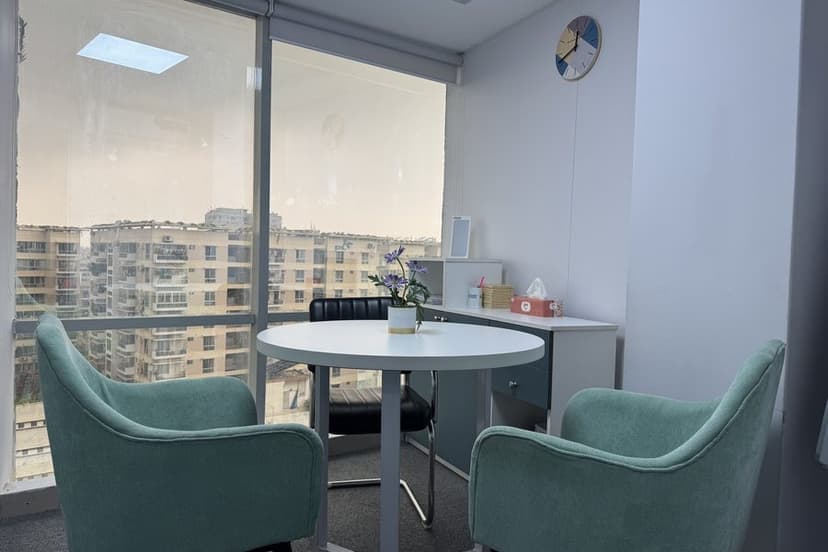
Sleep & Mental Health Support
How Sleep and Mental Health Are Connected ?
The link between sleep and mental health works in both directions:
Poor sleep can affect mood. Long-term lack of sleep can make you more irritable, anxious, forgetful and less able
to cope with stress.
Mental health difficulties can affect sleep. Worry, low mood and stress can make it harder to fall asleep, stay
asleep or feel rested.
This is why many people get caught in a cycle: stress disturbs sleep, and poor sleep makes stress harder to handle.
Breaking the cycle usually means looking at both sleep and emotional wellbeing together.
Common Sleep Problems
- Trouble falling asleep, often because of racing thoughts or tension
- Waking during the night and finding it hard to fall back asleep
- Waking too early and being unable to go back to sleep
- Unrefreshing sleep, where you sleep for hours but still feel tired
- Irregular sleep patterns, such as shift work or late-night screen use
- Bad dreams or nightmares that disturb sleep
Insomnia means having trouble falling or staying asleep, or waking too early, even when you have the chance to sleep,
along with daytime effects such as tiredness, poor concentration or low mood. When it lasts for weeks or months, it is worth getting support.
Mental Health Concerns That Can Affect Sleep
- Sleep can be disturbed by many life and emotional factors, including:
- Stress and burnout from work, study, money or family pressure
- Anxiety and constant worry
- Low mood or depression
- Grief and major life changes
- Trauma and difficult past experiences
A counsellor can help you understand what may be affecting your sleep, but only a qualified medical professional can diagnose a mental health or sleep condition.
7 Signs You May Need Support
- You regularly take more than half an hour to fall asleep
- You often wake in the night or very early and cannot get back to sleep
- You feel tired, foggy or unfocused during the day
- You feel anxious, tense or on edge most days
- List item
- Your mood has been low for several weeks
- You worry about sleep itself, which makes sleeping even harder
- Sleep and stress are affecting your work, studies or relationships
If several of these feel familiar, reaching out is a sensible next step.
How Much Sleep Do Adults Need?
Most adults need about seven or more hours of sleep a night, although needs vary from person to person. What matters
is not just the number of hours, but whether you wake up feeling reasonably rested and can function well during the day.
How Counselling Can Help
Counselling gives you space to understand what is keeping you awake and to build practical skills to manage it. Support may include:
- Exploring sources of stress and worry and learning healthier ways to respond to them
- Relaxation and calming techniques to settle the mind and body before bed
- Managing racing thoughts, including how to handle worry at night
- Building a steady routine that supports better sleep
- Support with low mood, grief or major life changes
For long-term insomnia, cognitive behavioral therapy for insomnia (CBT-I) is widely recommended by health
organizations as a first-choice treatment. You can ask your counsellor which approaches they use and whether they are suitable for your situation.
What to Expect in a Session
Step 1: Listening. Your counsellor learns about your sleep, daily routine, stress levels and what you hope will change.
Step 2: Understanding. Together you look at patterns, such as what happens before bed, what you think about at night
and what you do when you cannot sleep.
Step 3: Practising new skills. You try practical strategies for calming the mind, managing worry and improving sleep
habits.
Step 4: Reviewing progress. You check what is working and adjust the plan as needed.
Improvement takes time and is different for each person. Consistency helps.
8 Healthy Sleep Habits to Try
- Keep regular times. Go to bed and wake up at similar times every day.
- Create a wind-down routine. Spend 30 to 60 minutes relaxing before bed.
- Limit screens at night. Try to put phones and screens away before bedtime.
- Reduce caffeine intake. Avoid tea, coffee and energy drinks late in the day.
- Avoid heavy meals late at night.
- Make your bedroom restful. Keep it dark, quiet and comfortable.
- Get daylight and move your body during the day.
- Do not lie awake for long periods. If you cannot sleep, get up, do something calm in low light and return to bed when sleepy.
When to See a Doctor
Counselling is helpful for many people, but some situations need medical attention. Please see a doctor if you have:
- Loud snoring with pauses in breathing during sleep, or choking and gasping at night
- Extreme sleepiness during the day, including falling asleep while driving or working
- Sleep problems that continue for weeks despite good habits
- Symptoms that may relate to another health condition or to a medicine you take
- Very low mood, hopelessness or other symptoms that are affecting daily life
Please do not start, stop or change any sleep medicine without a doctorʼs advice.
If you are having thoughts of harming yourself, please contact your local emergency services or a trusted person right away. You do not have to face this alone.
Online vs In-Person Support
Online sessions are convenient and private, and many people find it easy to talk about sleep and stress from home. In
person sessions suit those who prefer face-to-face contact. AQIDAH Healthcare offers both, so you can choose what
works best for you.
Why Choose AQIDAH Healthcare?
Choose AQIDAH Healthcare for sleep and mental health support because we are giving first ever UK standard clinical care in Bangladesh. We are maintaining a standard quality which ensure ethical, evidence based and outcome driven practices in multidisciplinary approach.That refers a holistic support for everyone who has sleep and mental health related issues. Our clinician goes beyond managing symptoms to understanding their underlying causes. With access to psychologists and psychiatrists, AQIDAH offers a comprehensive approach to concerns such as insomnia, stress, anxiety, depression, and emotional difficulties- helping you identify contributing factors and receive appropriate psychological or medical care. Because better sleep is more than resting your body; it’s an important step toward a healthier mind and a better quality of life.
Meet Our Mental Health Specialists
At AQIDAH Healthcare, we believe that understanding sleep problems and emotional difficulties begins with the right professional support. Our multidisciplinary team brings together psychiatric and psychological expertise to help individuals address concerns affecting their sleep, emotional wellbeing, and daily life.
Dr. Md Ashraful Bari
CEO and Consultant Psychiatrist | AQIDAH Healthcare Limited
Qualifications:
MBBS, MRCPsych (UK)
PG Diploma in Clinical Neuropsychiatry (UOB, UK)
PG Diploma in General Adult Psychiatry (UOM, UK)
Areas of Clinical Practice:
- Anxiety Disorders
- Adult Depression
- Adult ADHD, Autism Spectrum Condition
- Obsessive-Compulsive Disorder (OCD)
- Post-Traumatic Stress Disorder (PTSD)
- Bipolar Disorder
- Psychosis
- Addiction
- Personality Disorders
- Eating Disorders
- Sleep Disorders.
Appointment Time: Saturday to Thursday ( 10 AM to 8 PM)
Book Now
Pritu Saha
Psychologist | AQIDAH Healthcare Limited
Qualifications:
BSc in Psychology, University of Dhaka (DU)
MSc in Clinical Psychology, University of Dhaka (DU)
Areas of Practice:
- Anxiety Disorders
- Panic Disorder
- Obsessive-Compulsive Disorder (OCD)
- Major Depressive Disorder
- Personality Disorders
- Post-Traumatic Stress Disorder (PTSD)
- Conversion Disorder, Sleep Disorders
- Conduct Disorder
- Addiction
- Couple and Family Issues
- Adjustment Difficulties
- Parenting and Anger Management.
Appointment Time: Saturday to Thursday ( 10 AM to 8 PM)
Book Now
Seeking Support for Sleep and Mental Health
Sleep difficulties can sometimes occur alongside stress, anxiety, depression, or other mental health concerns. Depending on your needs, a qualified professional can help you understand the factors affecting your wellbeing and discuss appropriate support options.
At AQIDAH Healthcare, you can explore suitable psychiatric or psychological support based on your individual concerns. Both online and in-person services are available.
Frequently Asked Questions
Is poor sleep a mental health condition?
Not by itself. Poor sleep can be linked to stress, anxiety or low mood, and it can
also have medical causes. A professional assessment can help clarify what is going on.
Can counselling really help with sleep problems?
For many people, yes. Talking therapy can help with stress, worry and
unhelpful sleep habits. Results vary from person to person.
How long before I notice improvement?
This depends on the cause and on how consistently you practise new habits.
Your counsellor can discuss realistic expectations with you.
Should I take sleeping pills?
Please speak with a doctor before taking any sleep medicine. Counselling does not replace
medical advice.
Is my information kept private?
Yes. Your counsellor will explain how your information is protected before you begin.
Take the First Step Toward Better Rest
You do not have to wait until things feel unbearable to ask for support. A conversation today can be the start of better sleep and a calmer mind.
Book a Sleep & Mental Health Support Session with AQIDAH Healthcare